Ελληνικά
 English
 Deutsch
 Italiano
 Français
 Español
 Nederlands
 Polski
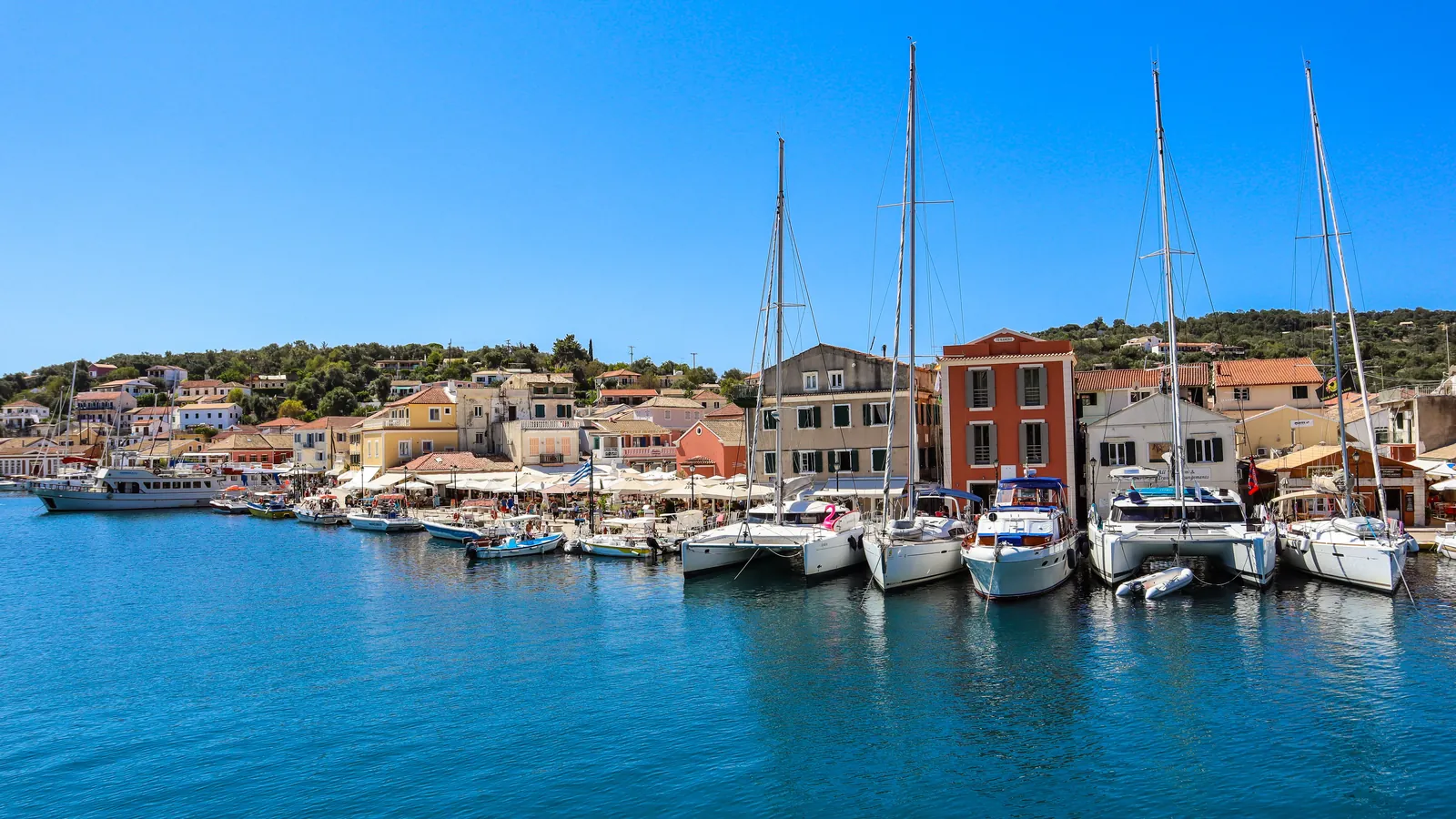
Paxos lies south of Corfu and is only about ten kilometres long. Almost the entire island is covered with olive groves, many dating from the Venetian period, with stone villages and cisterns carved into the rock hidden among them. On the western coast, cliffs plunge straight into the sea; the ports lie to the east.
The question of where to stay in Paxos has essentially two answers: Gaios and the surrounding countryside, where almost all the accommodation is concentrated, or Lakka in the north. Below, you’ll find the areas and places to stay we selected one by one based on their details; the full list is on our page for places to stay in Paxos.
How to choose an area
Distances are short, but the pace varies:
- Gaios: the capital and main port, with tavernas, shops and boats to the caves and Antipaxos.
- Countryside around Gaios: houses and villas with pools among the olive groves, suited to those with a car or scooter.
- Loggos: a small fishing village on the east coast, with tavernas by the little harbour.
- Lakka: the sheltered bay in the north, a favourite anchorage for sailors.
For a first visit or if you’re without a car, Gaios is the safe choice. For a week with family or friends, a house with a pool just outside the port offers more peace and quiet. See all the places to stay in Gaios, too.
Where to stay in Gaios
Almost all the island’s accommodation is administratively part of Gaios, stretching from the port to the olive-covered hills. The three options below are self-contained homes for couples and families.
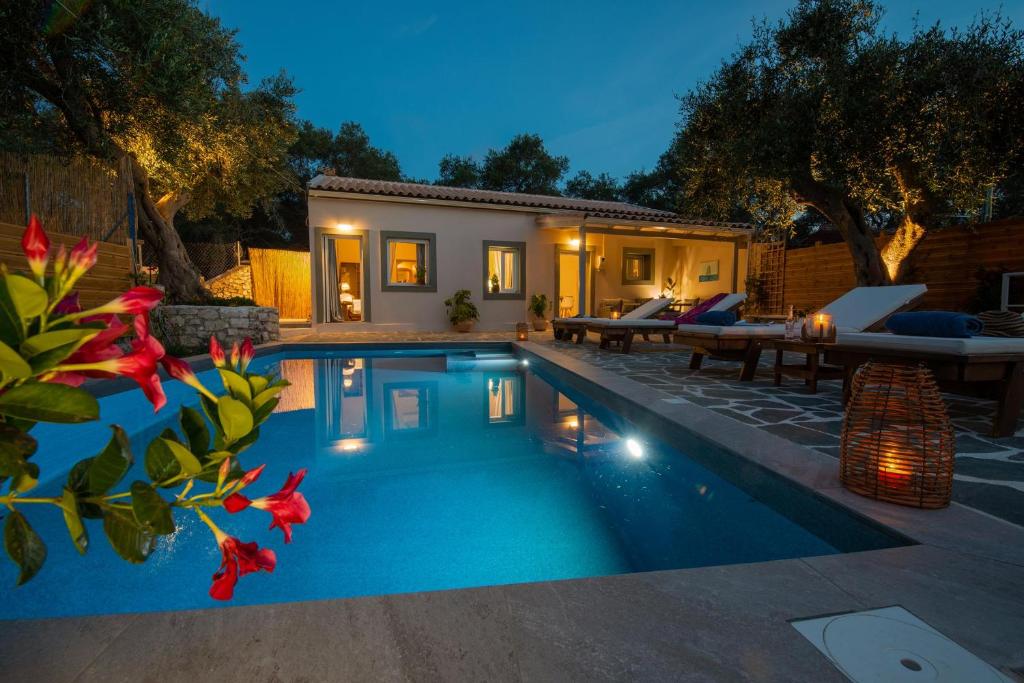
Suite Home Villa Paxos
A villa with a private pool and a terrace overlooking the sea, two bedrooms and sleeping space for up to five, plus amenities for children. Pets are welcome at no extra charge, and parking at the property is free. The pool is open seasonally, and check-in is from 14:00 to 22:00 with prior notice.
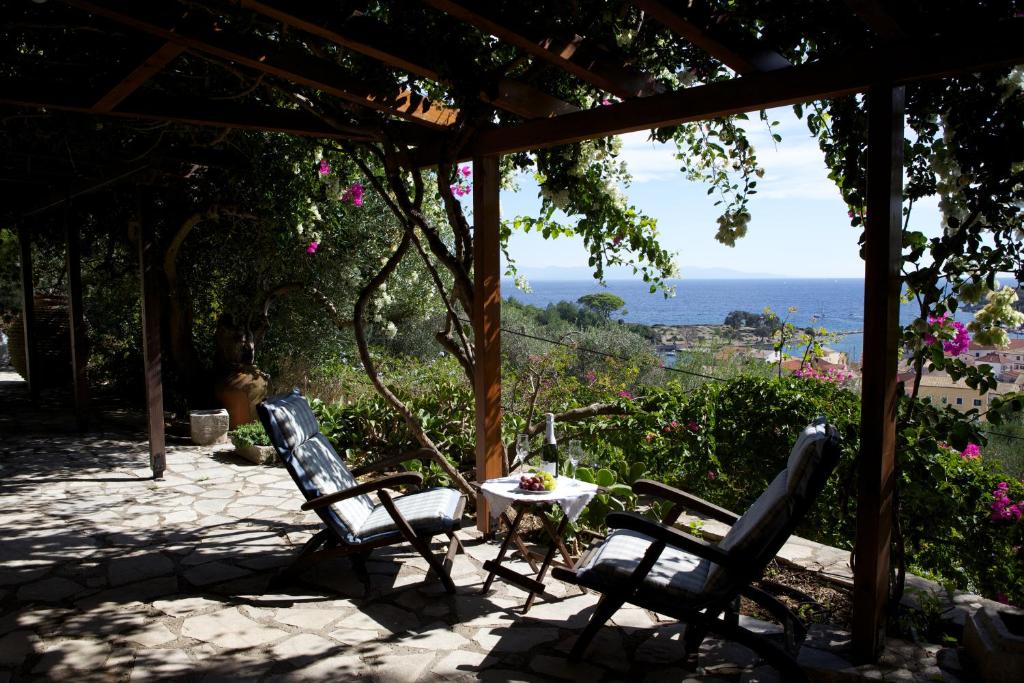
Bougainvillea
Homes with one or two bedrooms, a balcony with sea views and an outdoor pool set in a garden. The kitchen with an oven and the washing machine are handy for longer stays, and a high chair is available for young children. Check-in is until 18:00, so if you’re arriving on the afternoon ferry, let the property know in advance.
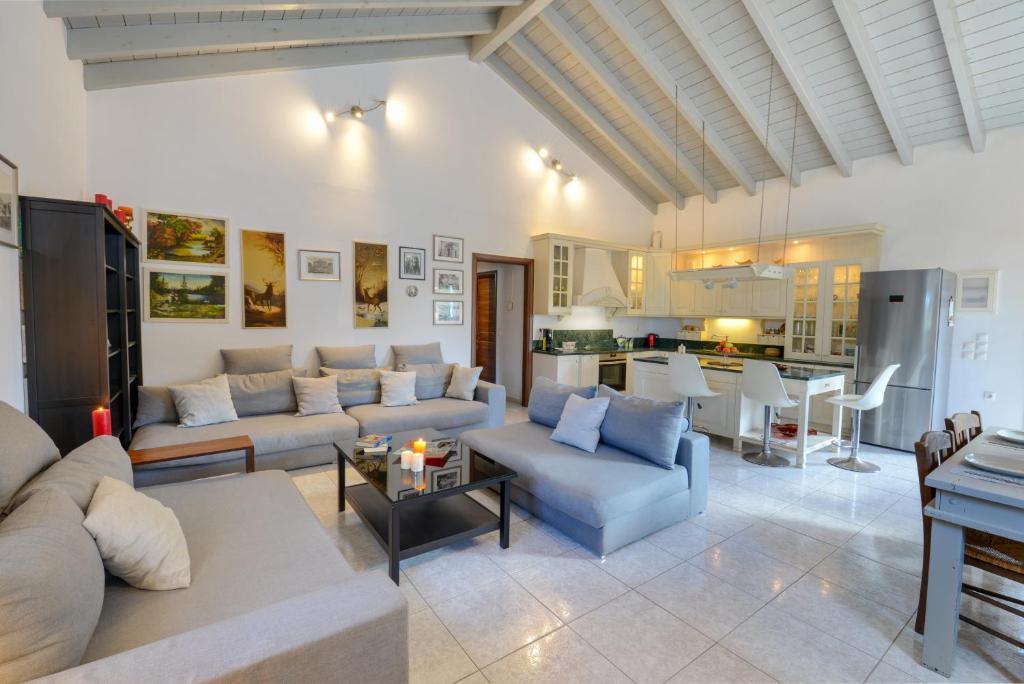
Kalokairia Residence
Small villas for two, with one bedroom, a kitchen, air conditioning and a washing machine; some also have their own pool. They suit couples looking for independence who often cook at home. There’s no internet access or parking, and check-in ends at 18:00.
Where to stay in Lakka
Lakka stretches around an almost enclosed bay with crystal-clear water. In the evenings, its waterfront fills with bars and tavernas, without the crowds of Gaios. There are few places to stay, so book early; you’ll find all the options on our page for Lakka.

Lefcothea Guest Rooms
A simple guesthouse where every room has a balcony, and one double room looks out over the sea and village. There’s a 35 sq m room for three, and bicycles and cars are available to rent. There’s no parking, the upper floors are reached by stairs, and the Wi-Fi is suitable only for basic browsing.
What to see in Paxos
Gaios retains its Venetian-era street layout and buildings from the British period. Just offshore, the islet of Agios Nikolaos is home to a 15th-century Venetian castle, while the islet of Panagia has a monastery and a lighthouse.
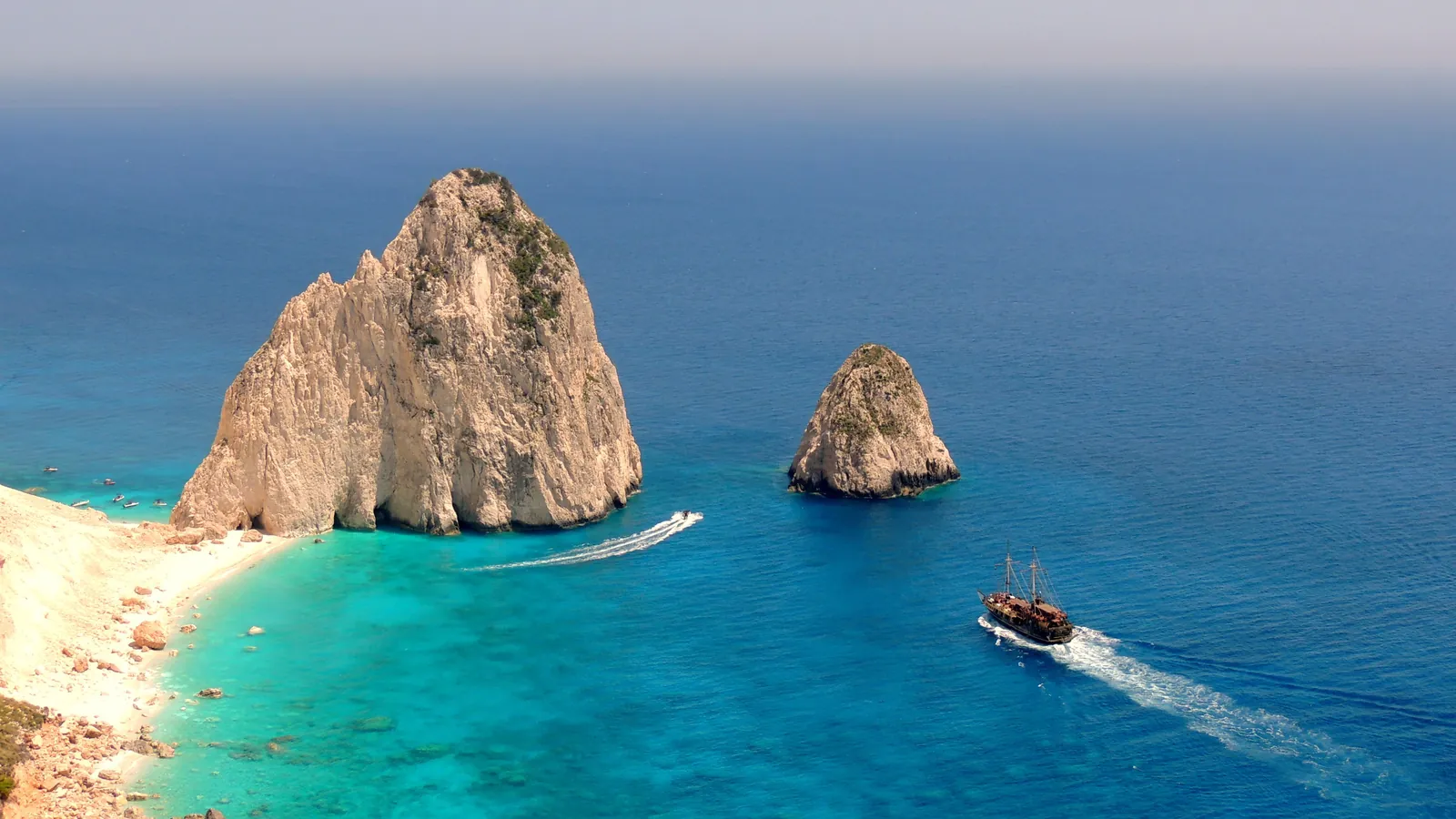
The western coast is best seen from the sea: the Blue Caves, the large Ypapanti cave, Ortholithos, a menhir-like rock rising from the water, and the Erimitis cliffs, with sunset views. At tavernas, look for savóro, fish marinated with raisins and rosemary, and local Lianolia olive oil.
Beaches and Antipaxos
- Harami: Lakka’s pebble beach, within walking distance of the village.
- Levrechio: the little cove at Loggos, a few minutes’ walk from the harbour.
- Mongonissi: at the southern tip, joined to the island by a narrow strip of land, with a taverna by the water.
- Voutoumi and Vrika: Antipaxos’s turquoise-water beaches, served by daily boats from Gaios in summer.
Antipaxos, covering about three square kilometres, has vineyards, a few tavernas above the beaches and a dark, sweet wine that is still produced in small quantities.
When to visit Paxos
May, June and September are the most balanced months, with mild weather and quiet ports. In July and August, Gaios fills up around midday with day-trip boats from Corfu and Parga. Most accommodation is closed in winter.
Every summer, from June to September, the Paxos Festival organises exhibitions and concerts, with the old school in Loggos as its main venue; in 2026 it reached its 40th edition. On 15 August, for the Feast of the Assumption, the islet in front of Gaios fills with people, followed by celebrations in the port.
How to get there and get around
Most visitors fly to Corfu and continue by hydrofoil or ferry from the town port, while the mainland departure port is Igoumenitsa. Ferries dock in Gaios, where a new passenger terminal opened in July 2026; services are less frequent in winter.
A road through the olive groves connects Gaios with Loggos and Lakka, and a small car or scooter is almost essential for homes in the countryside. Small boats can also be rented in Gaios and Lakka to explore the caves along the western coast. Find other bases in the area on our Ionian Islands page.
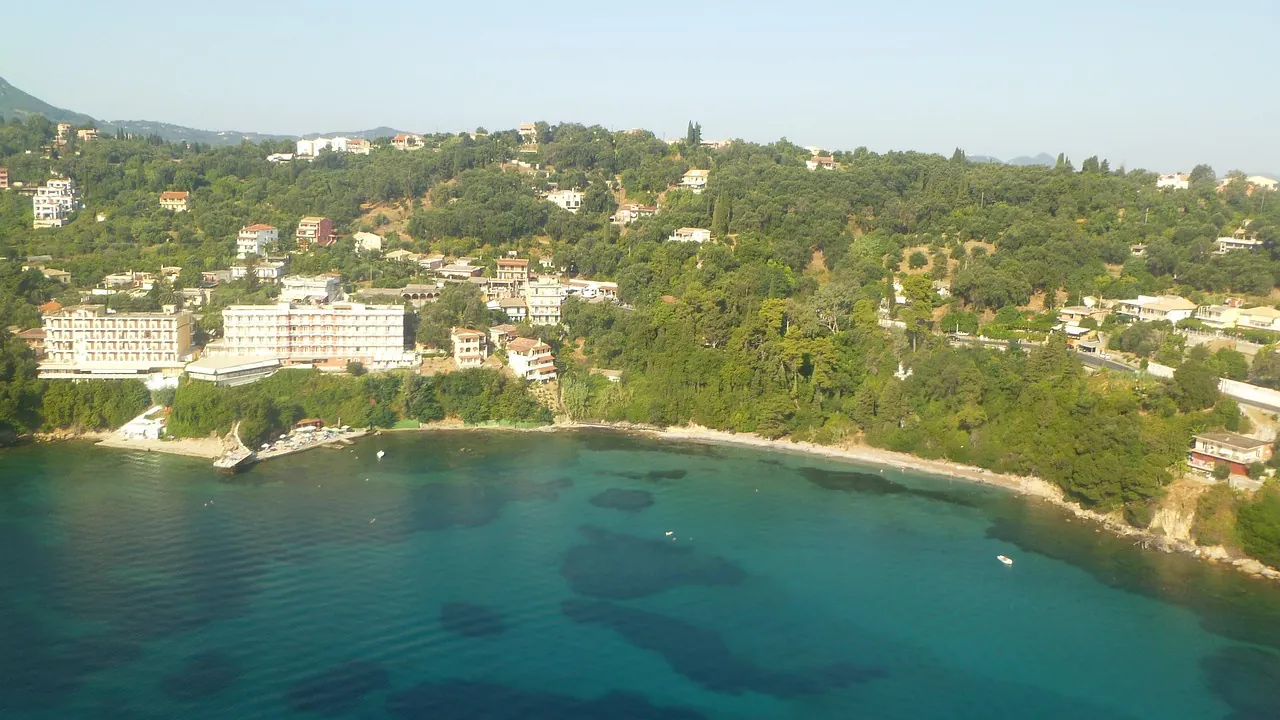
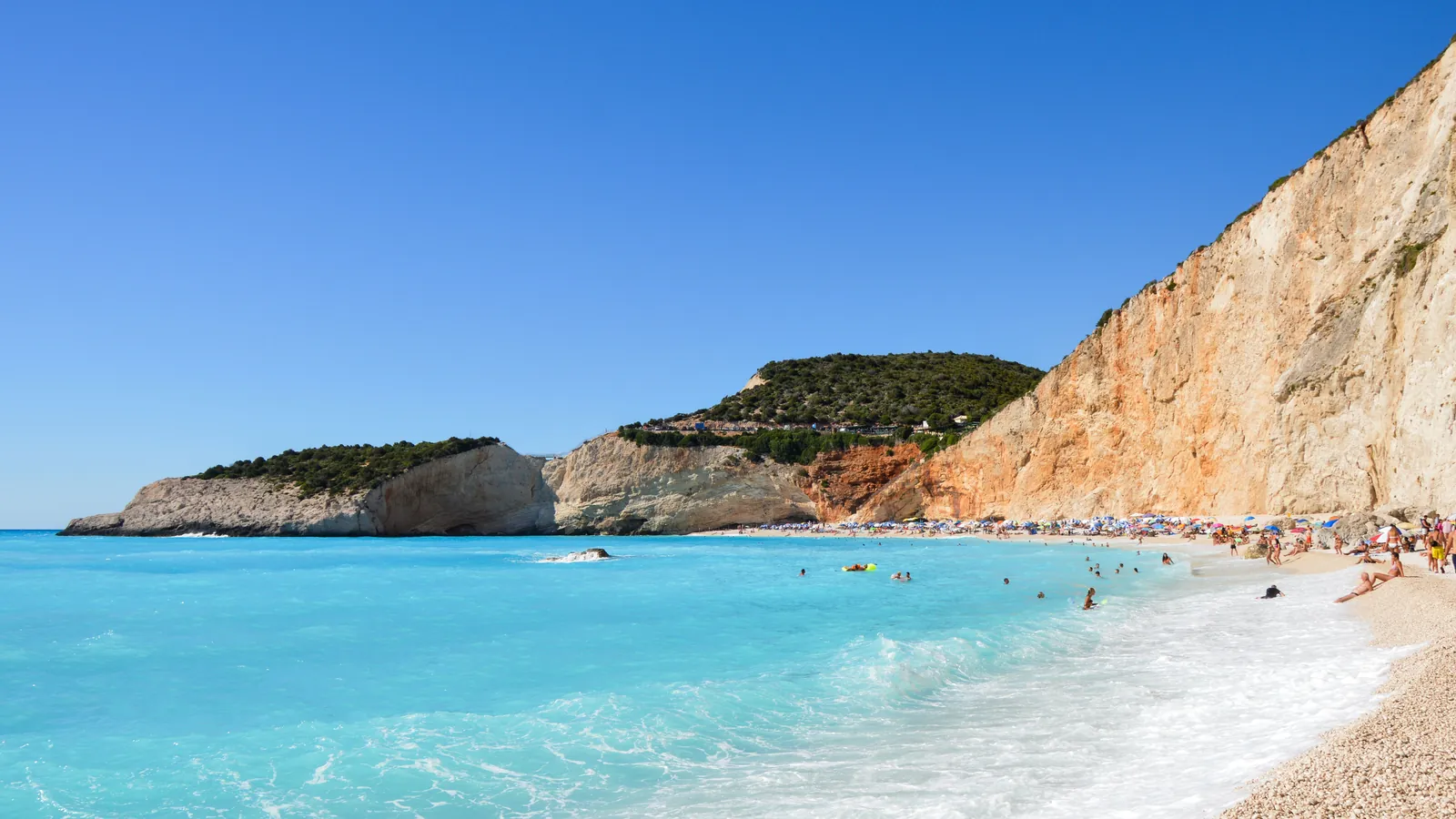
Paxos is part of our guide to where to stay in the Ionian Islands. For a stop before your ferry, read where to stay in Corfu; for flights and ferries, how to get to the Ionian Islands, and for a larger island, where to stay in Lefkada.
Frequently asked questions
Quick answers to the most common questions about staying in Paxos.
What is the best area to stay in Paxos?
For most travellers, the best area is Gaios and the surrounding countryside: ferries dock there, and boats to the caves and Antipaxos depart from there. Lakka, at the northern tip, is quieter and has beaches within walking distance, but few places to stay. Loggos, between the two, suits those looking for a small fishing village with waterfront tavernas.
How do you get to Paxos?
Paxos has no airport, so the most common route is to fly to Corfu and then take a hydrofoil or ferry from the town port. From mainland Greece, depart from Igoumenitsa. All services arrive at Gaios port, which has had a new passenger terminal since July 2026. Connections are more frequent in summer, while in winter they are less frequent and affected by the weather.
Do you need a car in Paxos?
If you stay in Gaios or Lakka, you can get around on foot and by taking the excursion boats. However, most houses and villas are among the olive groves, away from the ports, where a small car or scooter is almost essential for shopping and getting to the beaches. For the western coast, a rented boat is more practical than any vehicle.
When is the best time to visit Paxos?
May, June and September combine mild weather with quiet ports. In July and August, Gaios fills with visitors from Corfu and Parga around midday, then quietens down in the evenings. In summer, the Paxos Festival brings concerts and exhibitions to Loggos, and on 15 August the Feast of the Assumption fills the port, so it’s best to book early for that date.
Is Antipaxos worth visiting, and how do you get there?
Yes, if you’re drawn to turquoise waters: Voutoumi and Vrika are among the Ionian’s best-known beaches. In summer, boats leave Gaios every morning and return in the afternoon, and you can also rent your own small boat. There are only a few tavernas on the island and almost no accommodation, so most people visit for the day and stay in Gaios.